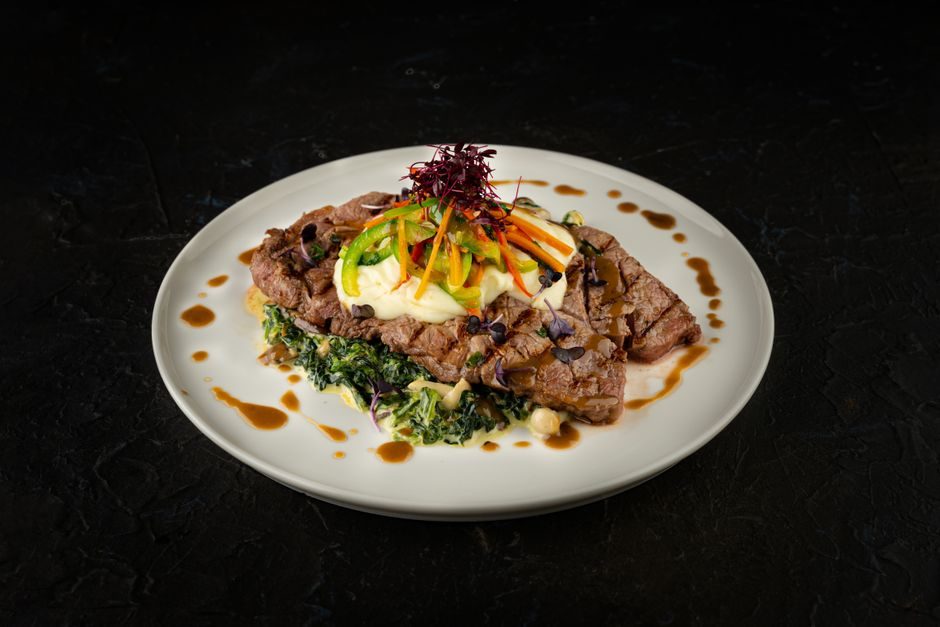
You can follow a keto diet without fish. The ketogenic diet is built on high fat and very low carbohydrate intake, and it does not require any single protein food. Meat, poultry, eggs, some dairy, and selected low-carb plant foods can supply the protein you need. The main nutrient to plan for is omega-3 fat, which fish supplies most directly.
This guide covers how to build a fish-free keto plan, which protein swaps work best, where the gaps are, and when to get medical guidance before changing your eating pattern.
Key Takeaways
- The ketogenic diet is a high-fat, very low-carbohydrate eating pattern whose protein sources are flexible, so fish is optional rather than required.
- Fish is the most direct dietary source of the long-chain omega-3 fats EPA and DHA, so a fish-free plan needs a deliberate omega-3 strategy.
- Beef, poultry, pork, eggs, and certain low-carb plant foods can all fit a keto plan when protein portions are matched to your individual needs.
- A peer-reviewed review notes that keto shifts intake away from foods linked to protection against chronic disease, so removing fish makes variety more important.
- Anyone with diabetes, kidney disease, pregnancy, or prescription medications should review a fish-free keto plan with a doctor or registered dietitian first.
Is Fish Required on a Keto Diet?
No. Fish is not a required food on keto. A review of ketogenic diet composition in PubMed Central defines keto as a high-fat, very low-carbohydrate diet in which protein is adjusted to each person’s requirements, so protein sources are flexible.
Keto works by limiting carbohydrates enough that the body shifts its main fuel source. A 2026 narrative review in Nutrients describes keto as very low carbohydrate, moderate protein, and high fat, which pushes the body to burn fat rather than glucose. Ketosis is the metabolic state in which the body relies on fat-derived ketone bodies for much of its fuel. A 2024 narrative review in Diabetes, Metabolic Syndrome and Obesity explains that these ketone bodies are produced by mimicking the metabolic state of fasting.
Because keto does not depend on any one protein food, you can build a fish-free plan from other animal and plant sources. The tradeoffs are mainly in omega-3 intake and in meeting your protein target, which are covered below.
Why Does Fish Matter on Keto?
Fish matters mainly because it provides omega-3 fats, especially EPA and DHA, along with high-quality protein. Most common keto foods do not supply meaningful amounts of these omega-3s, so removing fish is the change most likely to affect your fat-quality intake.
The bigger concern is the overall pattern. A peer-reviewed review of ketogenic diets and chronic disease notes that keto tends to shift intake away from foods that epidemiological studies associate with protection against chronic disease. Fish is one of those foods, so dropping it means you should be deliberate about replacing its nutritional role rather than simply leaving it out.
The limits of this evidence matter. Much of the research linking fish to health comes from observational studies, which show associations rather than proof that fish itself causes the benefit. Keto studies are also often short. Neither point means fish-free keto is harmful, but you should not assume that any low-carb protein is automatically equivalent to fish.
What Are the Best Protein Sources Without Fish?
The best fish-free keto proteins are fattier cuts of meat, poultry with skin, eggs, and some full-fat dairy, because they are naturally low in carbohydrate and rich in protein. Plant-based options can work too, but they need more label checking because many contain added starches or sugars.
Which Meats and Poultry Work Best?
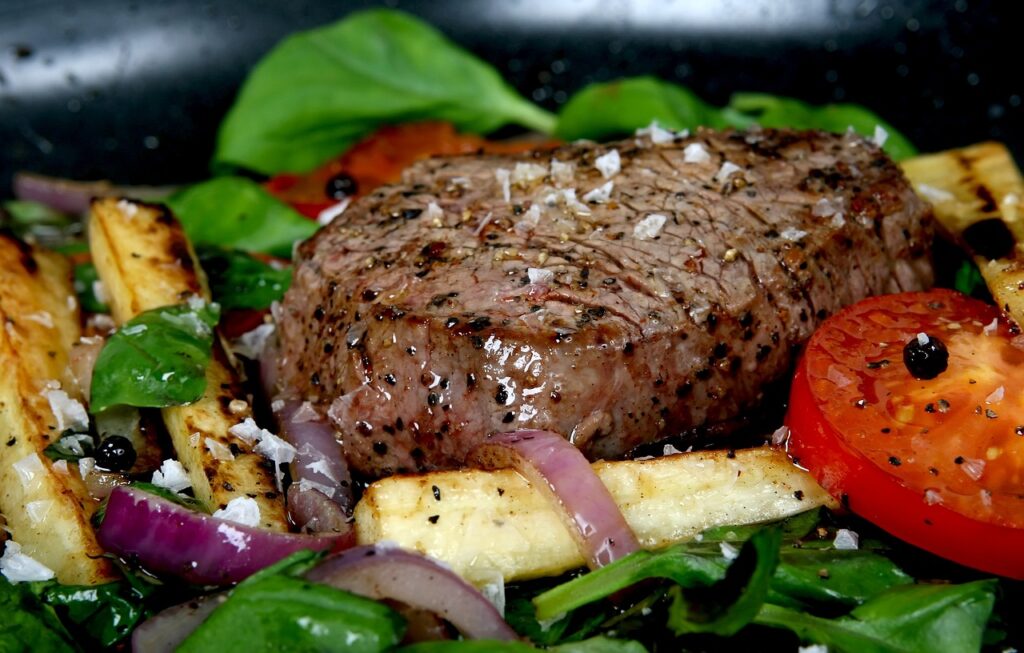
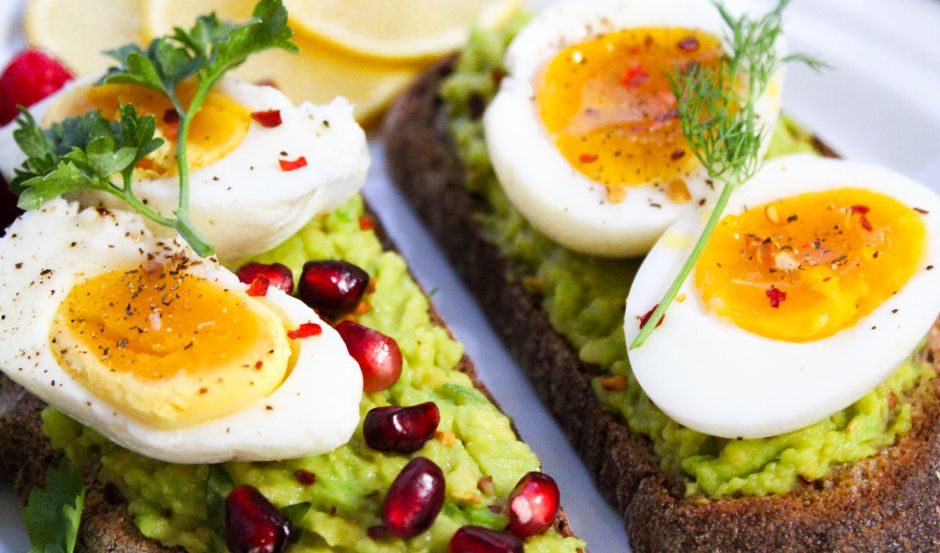
Beef, pork, lamb, chicken thighs, turkey, and duck contain no carbohydrate in their plain forms and fit keto easily. Fattier cuts such as ribeye or chuck, and skin-on dark-meat chicken, can help you reach higher fat intake. Watch processed meats, since sausages, deli meats, and breaded products often add sugar or starch.
How Do Eggs and Dairy Fit In?
Eggs are one of the most practical keto proteins and can cover breakfast, snacks, and cooking needs. Hard cheeses, plain Greek yogurt, cream, and butter are common additions, though dairy tolerance varies. Choose unsweetened dairy and check carb counts, since flavored yogurts and milks can contain more carbohydrate than expected.
Are Plant-Based Options Keto-Friendly?
Some plant foods can support keto, but they usually provide less protein per gram of carbohydrate than animal foods. Tofu, tempeh, edamame, hemp seeds, and some nut and seed products are the most common options. For a broader look at vegetarian choices, see top low carb vegetarian protein sources for plant-based keto. Tofu and tempeh are covered in more detail in a deep dive into whether tofu fits keto.
| Protein group | Typical examples | Keto fit | Omega-3 contribution |
|---|---|---|---|
| Beef, pork, lamb | Ribeye, chuck, ground beef | Excellent when unprocessed | Low |
| Poultry | Chicken thighs, turkey, duck | Excellent; choose skin-on for fat | Low |
| Eggs | Whole eggs | Excellent and very versatile | Low to modest; some eggs are omega-3 enriched |
| Dairy | Hard cheese, plain Greek yogurt, cream | Good if unsweetened and tolerated | Low |
| Tofu and tempeh | Firm tofu, tempeh | Moderate; check net carbs | Low to modest, varies by product |
| Seeds | Hemp hearts, pumpkin seeds | Moderate; portion control matters | Hemp contains some ALA; overall low |
How Can You Get Omega-3 Fats Without Fish?
You can get omega-3 fats without fish by using algae-based DHA or EPA supplements, eating plant sources rich in ALA, and choosing omega-3 enriched eggs. Plant ALA converts only in limited amounts to the EPA and DHA found in fish, so a supplement is often the more direct option, but it should be discussed with a clinician first.
Plant sources include flaxseed, chia seeds, walnuts, and hemp seeds. These provide alpha-linolenic acid (ALA), a shorter-chain omega-3 that the body converts to EPA and DHA only in limited amounts. Ground flaxseed is easier to digest than whole seeds, and walnuts are a practical low-carb snack.
Algae oil supplements provide DHA directly, and some also contain EPA, making them the closest direct substitute for fish-derived omega-3s. Doses, product quality, and interactions vary. Omega-3 supplements can affect people taking blood-thinning medication, so ask a doctor before starting one.
What Does a Fish-Free Keto Day Look Like?
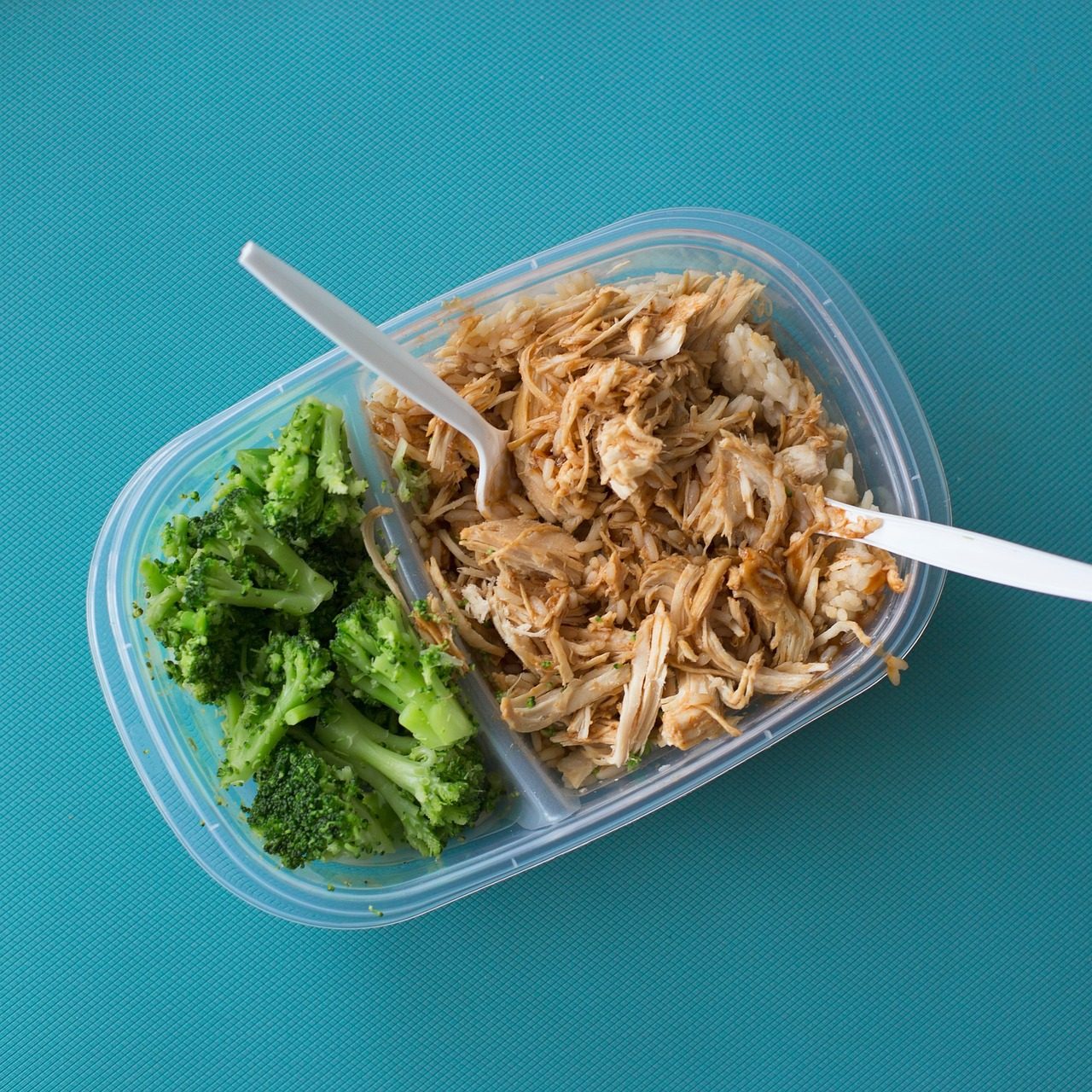
A fish-free keto day centers on a protein source at every meal, a measured fat source, and a deliberate omega-3 choice. Start with a daily protein target set with a clinician or dietitian, then build meals around it. The steps below give a practical framework.
- Set your daily protein and carb targets. Use the keto macro calculator for estimating daily targets as a starting estimate, then confirm with a clinician if you have a health condition.
- Anchor breakfast on eggs, cheese, or plain full-fat yogurt, with a measured portion of nuts or seeds.
- Build lunch and dinner around poultry, beef, pork, or tofu, and add non-starchy vegetables such as leafy greens, broccoli, and zucchini.
- Add an omega-3 source daily: ground flaxseed or chia at breakfast, walnuts as a snack, or an algae-based supplement if your clinician approves.
- Check net carbs on labels, since calculation methods differ. The keto net carbs chart lists common foods for comparison.
- Get bloodwork as your clinician recommends, since lipid levels and kidney function can change on a high-fat diet.
Protein needs vary by age, body size, activity level, and health status, so there is no single number that fits everyone. Treat any calculator estimate as a starting point rather than a prescription.
What Are the Risks and Limits of Going Fish-Free?
Going fish-free on keto is generally workable for healthy adults who plan their omega-3 and protein intake. The main risks are poor food variety, unmonitored lipid changes, and nutrient gaps. Long-term trials have not shown keto to be right for every person, so keep the evidence in perspective.
Common concerns include:
- Narrow food variety, which can leave gaps in fiber, vitamins, and minerals if you rely mostly on meat and cheese.
- Changes in blood lipids, including LDL cholesterol, in some people on high-fat diets. Responses vary widely, so levels should be checked by a clinician.
- Medication effects, especially for people taking insulin or glucose-lowering drugs, where dose adjustments may be needed as carbohydrate intake drops.
- Electrolyte imbalance in the early weeks, which can cause fatigue, headaches, or cramps.
Certain groups should not start keto without medical supervision, including people with type 1 diabetes, kidney disease, a history of gallbladder problems, or a history of eating disorders. Pregnant and breastfeeding people should speak with a clinician or registered dietitian before changing their diet.
Frequently Asked Questions
Can I get enough protein on keto without fish?
Usually yes, because beef, poultry, pork, and eggs are high in protein and low in carbohydrate. The ketogenic diet sets protein according to individual requirements rather than a fixed amount. If you are unsure of your target, a registered dietitian can help you calculate it.
Do I need an omega-3 supplement if I skip fish?
Not everyone needs one, but many people on a fish-free plan do not get enough EPA and DHA from food alone. Plant ALA sources help, though conversion to EPA and DHA is limited. Ask a doctor whether a supplement makes sense for you, especially if you take blood thinners.
Is keto without fish safe for everyone?
No. Keto is not appropriate for everyone, and this applies whether or not you eat fish. People with diabetes on medication, kidney disease, pregnancy, or a history of eating disorders should get medical guidance before starting. The diet can also change cholesterol, so periodic bloodwork is useful.
Can vegetarians follow keto without fish?
Yes, but it takes more planning. Eggs, dairy, tofu, tempeh, and seeds can supply protein and fat, though plant options usually carry more carbohydrate per gram of protein than meat. For a guide to plant-based keto protein sources for dairy-free diets, see 6 best plant-based keto protein sources for dairy-free diets. A dietitian experienced in plant-based nutrition can also help.
How do I track carbs on a fish-free keto plan?
Track total carbohydrate and fiber on food labels, then calculate net carbs using the method your plan uses. Many packaged low-carb foods, including some plant proteins and sauces, contain hidden starches or sugars. Weigh portions for the first few weeks so you learn real serving sizes.
Conclusion: Keto Diet Without Fish Is Workable With Planning
A keto diet without fish is possible because the diet does not require any single protein food. Meat, poultry, eggs, dairy, and selected plant foods can supply protein while staying low in carbohydrate. The main gap to address is omega-3 intake, which you can cover with plant sources or an algae-based supplement after talking with a clinician. Review your plan with a doctor or registered dietitian, especially if you have a health condition or take medication.
This article is for informational purposes only and is not medical advice. Talk to your doctor or a registered dietitian before changing your diet, especially if you have a medical condition or take medication. Read our medical disclaimer and editorial policy.